 (Image via
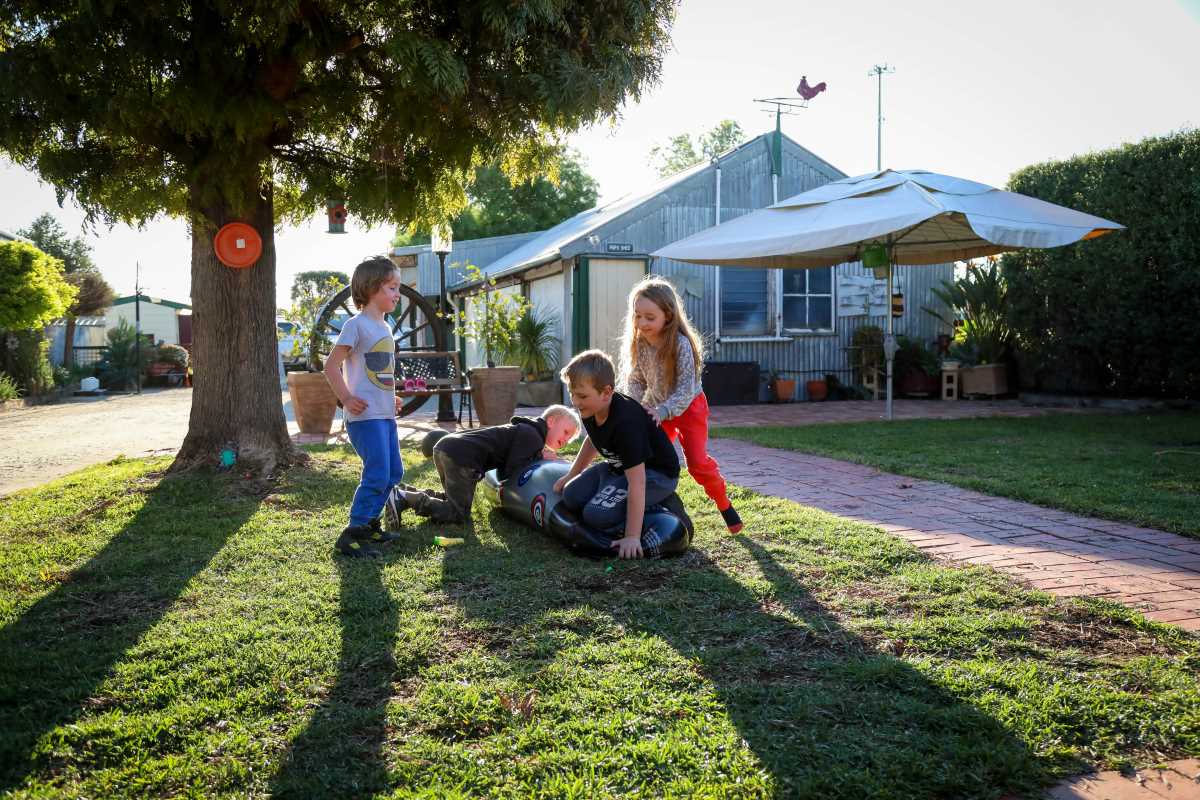
Warm sunlight filters through leafy branches as children race outside, eager for a backyard filled with opportunities to climb, dig, and play. Turning that simple green space into a welcoming haven involves more than just placing a swing set or scattering a few toys. Careful planning creates an environment where curious kids explore freely while staying safe, and parents can relax knowing their children are protected. Creating inviting zones for different activities, adding cozy corners for relaxation, and choosing safe, durable materials all contribute to a backyard that feels both exciting and secure. Discover the steps to shape an outdoor retreat brimming with comfort and adventure.
Each element on this list builds on the last, guiding you from ground up. Keep your cleanup routine in mind as you go, and lean on durable materials that hold up to roughhousing and the seasons. Your home gains bonus curb appeal, and the kids get a place they’ll beg to use every day.
Safe Surfacing
Kids tumble, leap, and roll during free play, so you should have a soft landing zone to reduce bumps and bruises. Rubber mulch, engineered wood fiber, or interlocking foam mats cushion falls and drain quickly after rain. Avoid gravel or hard-packed dirt, which turn playground-style spills into scrapes.
Always follow recommended depth guidelines—usually four inches for mulch or fiber. Securely anchor mats so they don’t shift underfoot. Inspect the area after storms to ensure the surface still offers even coverage, then top up loose materials as needed. A well-padded ground encourages more daring play without parent panic.
Secure Boundaries
Clear boundaries help younger children know where play stays safe and older siblings respect off-limits zones like gardens or driveways. A simple fence or natural hedge defines the space, but layering in additional cues makes boundaries obvious and sturdy.
- Choose fence heights appropriate to your gear—36 inches keeps toddlers in, while a taller picket fence handles balls and bikes.
- Install self-closing gate latches at child-resistant heights, ensuring little wanderers can’t slip out.
- Use brightly colored rope or low railings for visual markers where a solid barrier isn’t possible.
- Plant dense shrubs under fence lines to discourage digging and add a homey look.
Combine physical barriers with gentle rules—kids understand boundaries better when you pair fences with consistent reminders. Let them help paint fence slats or choose hedge flowers so they invest in the new perimeter.
Age-Appropriate Equipment
One swing set doesn’t fit all. Toddlers need bucket seats, gentle slides, and sturdy ride-ons with low centers of gravity. Older kids crave taller platforms, monkey bars, and climbing walls. Match gear to the ages and abilities of your crew to reduce accidents and avoid frustration.
Label play zones by age group or skill level—bright signs or color-coded equipment can guide siblings to the right challenge. Swap out or upgrade pieces as children grow to extend the life of your play area. Hand-me-downs and community yard-sale finds often offer budget-friendly options, just make sure they meet current safety standards.
Shade and Weather Protection
Midday rays beat down with real force, and no one has fun overheating. Install a pergola or retractable canopy over main play spots to block UV rays. For quick shade, large outdoor umbrellas or tree canopies work well, too.
Consider installing a rain-resistant play tent or tunnel for those wet afternoons. Not only does it keep little explorers dry, but it opens doors to imaginative games even when the clouds roll in. Place aquatic-themed toys or waterproof storage nearby so kids can splash and shuffle without muddy footprints tracking inside.
Maintenance and Inspection
Even the sturdiest wood beams wear down, bolts loosen, and surfaces crack. Schedule a monthly safety sweep—tighten hardware, smooth rough edges, and replace worn-out parts. Keep a small toolbox or organizer in a nearby shed for quick in-the-moment fixes.
Swap out faded or brittle plastic pieces before they fail. Test swings and ropes for fraying. Make maintenance a joint effort by giving kids simple tasks like wiping down seats or sweeping loose mulch. They learn ownership and notice issues faster than grown-ups can.
Creative Play Features
Beyond standard equipment, add features that spark imagination and storytelling. A chalkboard wall along the fence can become a pirate map one day and a grocery store menu the next. Water tables, musical panels, and sandboxes turn free play into learning moments.
- Garden patch: Give kids a corner with low beds and kid-safe tools so they plant, water, and harvest.
- Obstacle station: Use ropes, tires, and balance beams for impromptu ninja courses.
- Outdoor reading nook: Hang a hammock chair or place weatherproof cushions under shade for quiet time.
- DIY puppet theater: Build a small stage with a curtain to host backyard shows.
- Rock garden: Arrange smooth stones of various sizes in patterns to introduce sensory play.
Change features seasonally or refresh them to keep kids interested. Let children vote on new additions to make them excited about assembly day.
Proper surfacing, sturdy boundaries, and age-appropriate gear create a safe space for kids to play. Planning ahead ensures many enjoyable and secure outdoor adventures.